World of Warcraft (WoW) has always been known for its rich lore and expansive world, drawing players into a universe filled with history, conflict, and evolving narratives. However, as the game has grown and evolved, so too has the way its story is told. In this article, we’ll explore how WoW’s storytelling has changed over time, from the early days of Vanilla to the complex narratives in modern expansions.
The Early Days: The Foundation of Azeroth
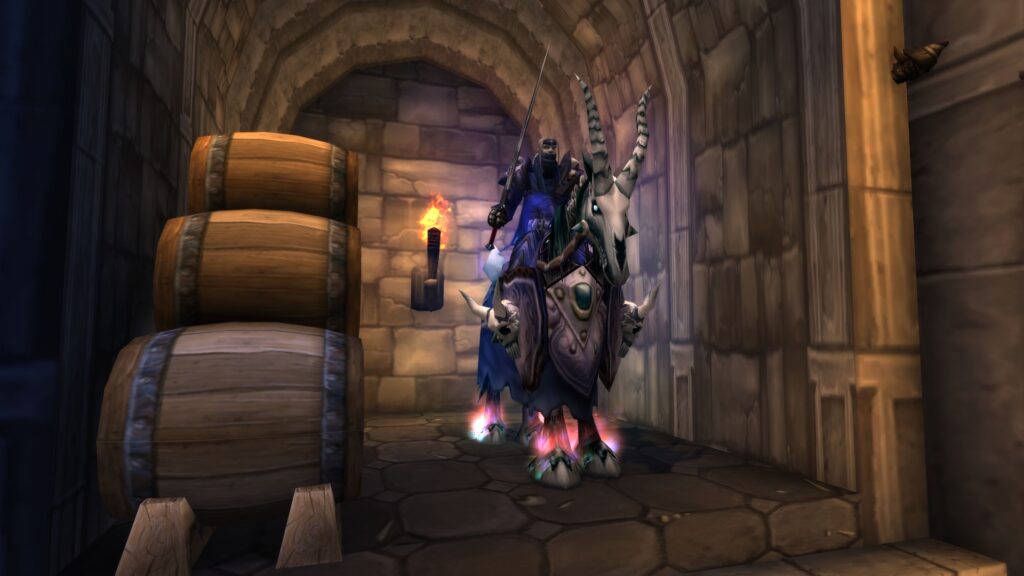
When World of Warcraft first launched in 2004, its storytelling was more focused on setting the stage for players to explore. While the game world was rich in lore, much of the narrative was presented through questlines, in-game books, and environmental storytelling rather than a direct, linear plot. The story largely revolved around the factions of the Horde and Alliance, and key figures like Thrall, Jaina Proudmoore, and the Lich King loomed large.
Early WoW storytelling was more about immersion than plot. While there were overarching story arcs, such as the rise of the Lich King and the war between the Horde and Alliance, players were primarily introduced to this world through their own adventures. The emphasis was on discovery, with players piecing together the story through exploration and interactions with NPCs.
Burning Crusade to Wrath of the Lich King: Expanding the World
With the release of *The Burning Crusade* in 2007, WoW’s storytelling began to take a more expansive and global approach. The introduction of new regions like Outland and new factions, such as the Blood Elves and Draenei, expanded the narrative significantly. The main storyline shifted to the threat of Illidan Stormrage and the Burning Legion, allowing players to experience more personal and impactful quests that told stories of heroes, villains, and lost civilizations.
*Wrath of the Lich King* (2008) marked a significant turning point, as the Lich King became a central figure in the story. Players didn’t just fight against the Lich King’s forces—they experienced his story firsthand. The expansion’s cinematic intros, along with its quests and dungeons, helped to establish a deeper emotional connection with the game’s antagonists. The raids in *Wrath* were more narrative-driven, offering players a glimpse into the Lich King’s tragic past and motivations.
The Cataclysm and Mists of Pandaria: Shifting Focus and Tone
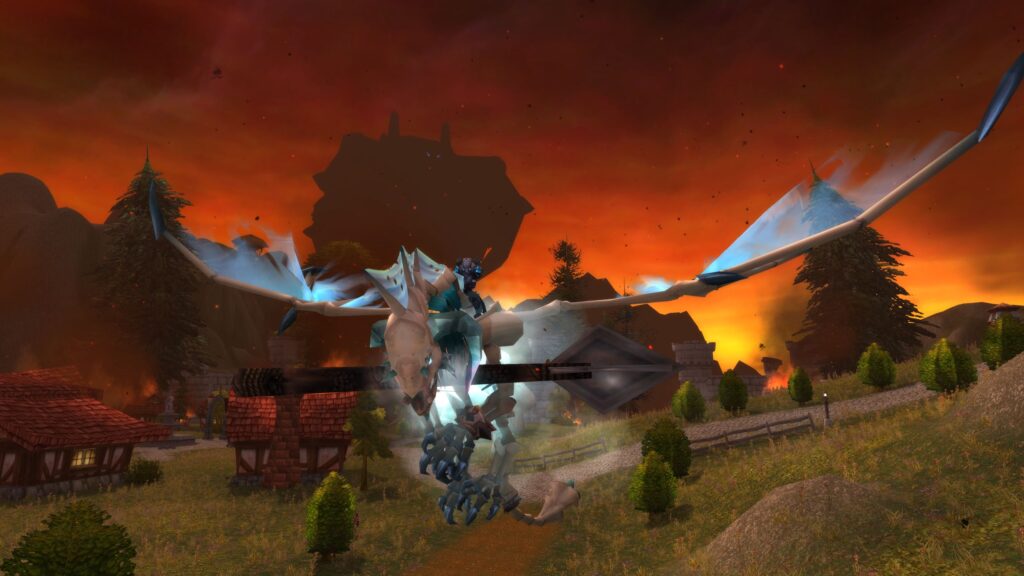
The release of *Cataclysm* (2010) brought significant changes to Azeroth, as the world was literally torn apart by Deathwing’s return. The event was an important moment in WoW’s storytelling, as the world itself became a character in the narrative. The focus shifted to the destructive power of Deathwing and his impact on the world, offering players a more intense and personal connection to the story.
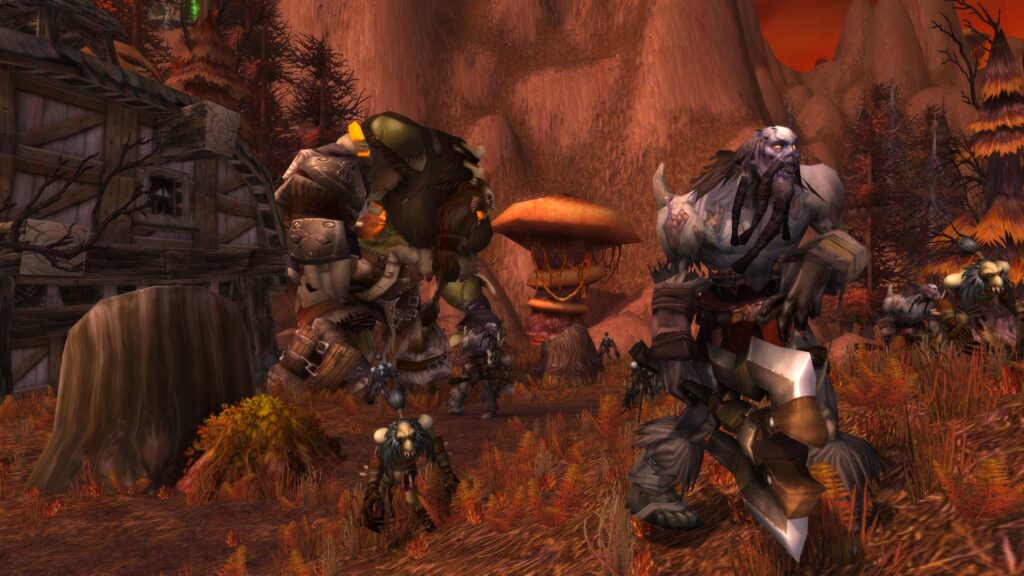
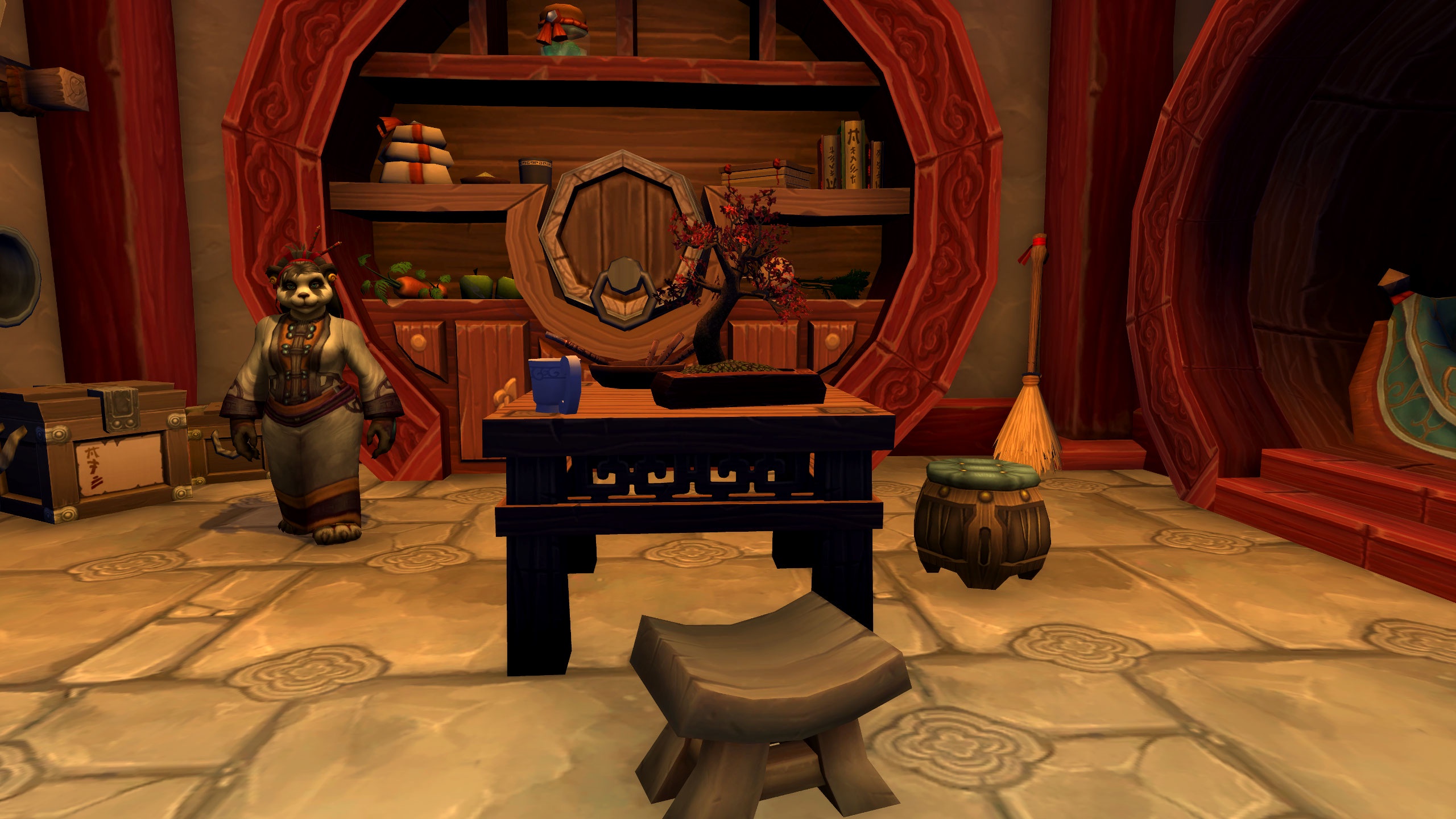
In *Mists of Pandaria* (2012), the storytelling shifted to a more introspective and culturally rich narrative, focusing on the Pandaren and their ancient civilization. The expansion’s story was more about balance, internal struggles, and the consequences of war. It also brought a more philosophical tone, as players explored the depths of the Sha and the emotions that fuel Azeroth’s conflicts. The changes in tone marked a more nuanced approach to storytelling, with a blend of both lighthearted moments and darker themes.
Warlords of Draenor to Battle for Azeroth: A Shift Toward Player Agency
With *Warlords of Draenor* (2014), WoW’s storytelling began to place greater emphasis on player agency. Rather than simply following a pre-determined narrative, players had a hand in shaping the story. The introduction of garrisons allowed players to interact with the lore of Draenor in a more personal way, as they became the commanders of their own military outposts, shaping their faction’s presence in the world.
*Battle for Azeroth* (2018) continued this trend, intensifying the conflict between the Horde and Alliance. The storyline shifted towards the personal motivations of the leaders, bringing a more emotional and ideological tone to the conflict. The expansion featured deeper political intrigue, betrayal, and factionalism. With major characters like Sylvanas Windrunner, Jaina Proudmoore, and Anduin Wrynn taking center stage, the focus was on the personal stakes of war, showing the impact of leadership decisions on the people of Azeroth.
Shadowlands and Beyond: A More Narrative-Driven Approach
In *Shadowlands* (2020), WoW embraced an even more narrative-driven experience. The expansion focused on the afterlife, with players exploring different realms that represent various aspects of the soul’s journey after death. The story was deeply personal, as players were tasked with helping the soul of Azeroth’s citizens find peace in the Shadowlands. The expansion emphasized choice, as players interacted with factions in the Shadowlands and faced moral dilemmas about life and death.
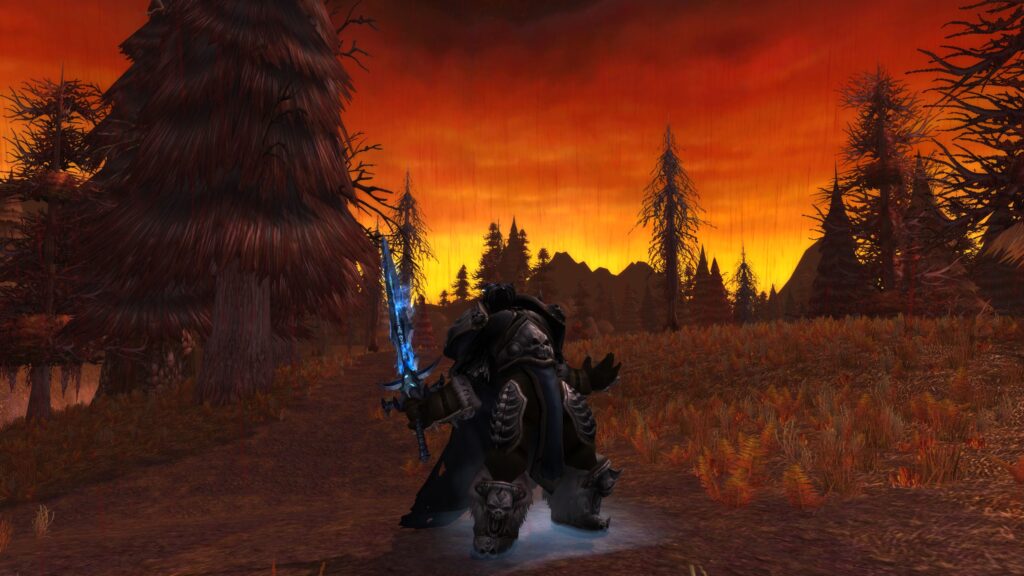
In the years following *Shadowlands*, the game has continued to push boundaries with more cinematic storytelling, quests that feel like epic sagas, and a shift toward more dynamic narratives that evolve based on player choices and the outcomes of in-game events. Storytelling in WoW has gone from simple questlines to complex plots involving deep philosophical themes, moral decisions, and high-stakes battles for the future of Azeroth.
Conclusion: The Future of WoW Storytelling
World of Warcraft’s storytelling has evolved significantly over the years, shifting from a world of exploration and discovery to a narrative-driven experience with complex plots, deep characters, and player agency. The game’s storytelling now involves cinematic experiences, moral choices, and intricate world-building. As WoW continues to evolve, it’s clear that storytelling will remain at the heart of the game, captivating players with ever-expanding lore and immersive tales of heroism, tragedy, and triumph.
Home